
Cognac vs armagnac: which French brandy truly deserves your attention? Here’s the thing: most spirit enthusiasts know cognac, but armagnac remains France’s best-kept secret.
Both come from distinct regions with centuries-old traditions, yet they couldn’t taste more different. Cognac brings elegance and refinement from the Charente region, while Armagnac delivers rustic complexity from Gascony. But here’s what matters most: understanding their unique production methods, flavor profiles, and aging processes will transform how you appreciate French brandy.
In this guide, you’ll discover the fascinating differences between these two premium spirits, from distillation techniques to terroir influence.
French brandy fundamentals: understanding the framework
Both cognac and armagnac are French brandies: distilled grape wines aged in oak barrels, but that’s where their similarities end. These two spirits represent distinct regional identities, production philosophies, and flavor experiences that have evolved over centuries in their respective terroirs.
Understanding their differences matters, because it transforms how you approach French spirits. When you know why Armagnac tastes earthier, why cognac commands higher prices globally, and how production methods create distinct characteristics, every sip becomes an education in French craftsmanship and terroir expression.
Key terms to know
- Eau-de-vie: The “water of life” (eau-de-vie in French), raw distilled spirits before aging, the building blocks of both cognac and Armagnac
- Terroir: The complete environmental factors (soil, climate, tradition) that influence grape character and final spirit profile
- Continuous Still vs. Pot Still: Two fundamentally different distillation methods that create contrasting flavor profiles
- Cru System: Regional classifications based on soil and climate, 6 for cognac, 3 for Armagnac
- Age Classifications: VS, VSOP, XO designations that apply to both spirits but reflect different aging traditions
Let’s explore how these fundamental differences give rise to two distinct expressions of French brandy excellence.
Production methods: where cognac vs armagnac diverge
The cognac and armagnac production methods reveal the heart of their differences. While both start with grapes and end in oak barrels, their journeys couldn’t be more different, and these production choices explain everything about their contrasting personalities.
Distillation: the defining difference
Cognac uses the traditional Charentais pot-still system, which requires two separate distillations. The first distillation creates “brouillis” at 20-30% alcohol, which is then redistilled in the “bonne chauffe” to reach 70-71% alcohol. This double distillation creates cognac’s signature elegance and refinement; think of it as polishing a gemstone twice for maximum brilliance.
Armagnac, conversely, employs a continuous column still (patented in 1818) that distills the wine just once to 52-72% alcohol. This single distillation preserves more of the original grape character and terroir expression, creating Armagnac’s rustic, complex personality. It’s like comparing a finely cut diamond to a beautiful rough stone: both are valuable, but they express different aesthetics.
Grape varieties: diversity vs. consistency
Cognac production relies heavily on Ugni Blanc (97% of plantings), chosen specifically for its high acidity and neutral character, which showcase terroir and aging. This consistency creates cognac’s reliable, elegant profile across different houses and crus.
Armagnac production embraces diversity: Ugni Blanc (55%), Baco (35%), Folle Blanche (2%), and Colombard create a complex flavor foundation. Baco, a hybrid grape unique to Armagnac, adds a fruity, robust character that is impossible to find in cognac. This variety explains Armagnac’s wild, unpredictable nature.
Regional terroir impact
The armagnac and cognac terroir differences run deep. Cognac’s chalky soils in Charente produce mineral-driven, floral spirits, while Armagnac’s sandy soils, mixed with clay in Gascony, produce earthier, more powerful expressions. Located 300 kilometers apart, these regions might as well be different countries in terms of grape growing conditions.
Flavor profiles: tasting the terroir difference
Discovering the unique flavors of Armagnac and Cognac opens up a wonderful journey through distinct French brandy traditions! By exploring their profiles, you’ll find the perfect spirit to suit your taste and make any occasion truly special.
Cognac’s elegant character
Cognac typically presents refined, polished flavors that develop gracefully with age. Young cognacs (VS) show bright grape character with hints of citrus and flowers. VSOP cognacs develop vanilla, honey, and dried fruit complexity, while XO expressions reveal deep notes of leather, tobacco, and exotic spices. The double distillation creates a clean, sophisticated profile that’s immediately approachable.
Think of cognac as classical hip-hop, structured, harmonious, with every note in perfect balance. Premium cognacs from Grande Champagne showcase incredible finesse, with floral aromatics and silky textures that justify their premium pricing.
Armagnac’s rustic complexity
Armagnac delivers bold, earthy flavors that retain a stronger sense of their agricultural origins. Young Armagnacs show intense fruit character, plums, apricots, and grape must, alongside herbal and spicy notes from the diverse grape blend. Aged Armagnacs develop extraordinary complexity: forest floor, roasted nuts, dried fruits, and a distinctive “rancio” character (controlled oxidation that creates nutty, cheese-rind flavors).
Armagnac is like jazz, improvisational, soulful, sometimes challenging, but ultimately rewarding. The single distillation preserves volatile compounds that create unique aromatic complexity impossible to replicate in cognac.
Age expression differences
While both spirits use VS, VSOP, and XO classifications, they age differently. Cognac tends to develop more predictably, with oak influence becoming prominent after 10-15 years. Armagnac can age gracefully; some vintage Armagnacs from the 1940s-1960s remain vibrant and complex, showcasing the spirit’s incredible aging potential.
The key difference: cognac aims for consistency and elegance, while Armagnac celebrates individual expression and terroir character. Neither approach is superior; they serve different purposes and appeal to different palates.
Making wise French brandy choices: a practical guide
Now that you understand the fundamental differences, how do you choose between cognac vs armagnac for specific situations? Here’s your practical decision-making framework:
When to choose Cognac
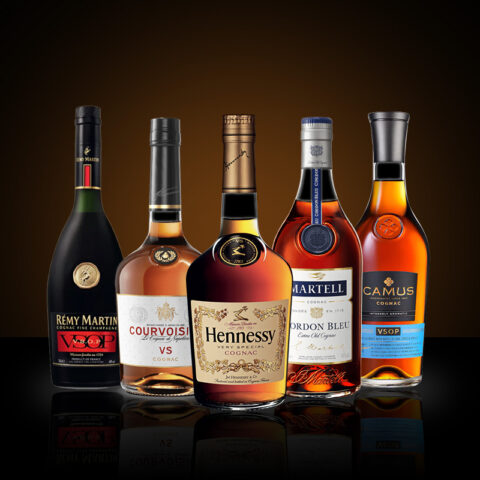
- Business entertaining: Cognac’s refined reputation and familiar names (Hennessy, Rémy Martin, Martell) make safe choices for impressing clients or colleagues
- Cocktail mixing: Cognac’s clean profile works beautifully in classics like Sidecar and Sazerac cocktails without overpowering other ingredients
- Gift giving: Recognition factor and elegant packaging make cognac the safer gift choice for most recipients
- Fine dining: Cognac’s refinement pairs excellently with delicate foods and sophisticated settings
When to choose Armagnac
- Personal exploration: If you enjoy discovering unique spirits and value individual character over consistency
- Value seeking: Armagnac typically offers better age-to-price ratios, with 20-year expressions costing less than comparable cognacs
- Food pairing: Armagnac’s earthier character complements hearty foods, game meats, and aged cheeses beautifully
- Collector interests: Vintage Armagnacs and small-producer bottles offer unique collecting opportunities
Building your French brandy collection
Start with one bottle from each category: a cognac VSOP from a major house (Hennessy, Rémy Martin, or Courvoisier) and an Armagnac VSOP from a quality producer (Château de Laubade, Darroze, or Baron de Sigognac). This comparison will teach you more about French brandy types than any reading could.
For budget-conscious enthusiasts, Armagnac offers exceptional value. A 15-year-old Armagnac often costs less than a VSOP cognac.
Professional tasting tips for cognac vs armagnac comparison
Elevate your French brandy comparison skills with these insights from master blenders and professional spirits evaluators:
Proper tasting setup
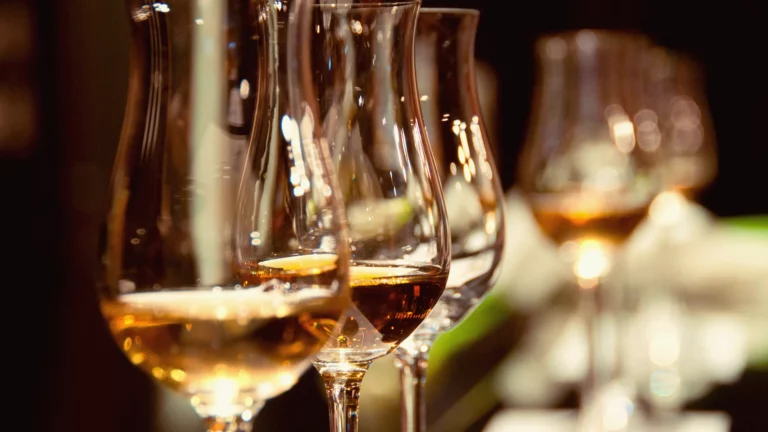
- Use identical glassware: Tulip-shaped cognac glasses for both spirits ensure fair comparison. Different glass shapes will skew your perception of aromatics and flavor intensity.
- Serve at proper temperature: 18-20°C (64-68°F) for both. Armagnac can handle slightly warmer temperatures than cognac due to its higher congener content.
- Compare similar ages: Taste VSOP against VSOP, not VS against XO. Age differences will overwhelm the terroir and production method differences you’re trying to identify.
Professional evaluation techniques
- Nose first, taste second: Spend 2-3 minutes nosing each spirit before tasting. Armagnac typically shows more immediate aromatic complexity, while cognac reveals layers more slowly.
- Palate coating method: Take small sips and let the spirit coat your entire palate before swallowing. Armagnac’s texture tends to be more viscous and coating than cognac’s lighter body.
- Note the finish length: High-quality cognacs show elegant, long finishes. Premium Armagnacs display complex, evolving finishes that can last several minutes.
Pro Secret: When comparing luxury French spirits, pay attention to “empty glass aroma”, the scent remaining in glasses after finishing. Cognac typically leaves clean, floral notes, while Armagnac leaves rich, fruity, sometimes funky aromatics that reveal the spirit’s complexity and authenticity. Master blenders use this test to evaluate quality and detect the presence of artificial flavoring.
Common questions about cognac vs armagnac
Let’s clear up some common misconceptions and answer questions we hear frequently about these French brandy types:
No, higher prices reflect marketing, brand recognition, and export costs, not necessarily quality. Many Armagnac producers create exceptional spirits that rival or exceed cognac quality at lower prices. The difference lies in production philosophy and market positioning, not inherent quality superiority.
Cognac typically offers a gentler introduction due to its refined, approachable character. However, adventurous beginners who enjoy complex spirits might prefer Armagnac’s bold personality. Start with VSOP expressions from both to understand your preference.
Absolutely, though Armagnac’s robust character works better in spirit-forward cocktails. It excels in variations of Old Fashioneds, Manhattans, and French 75s where its complexity can shine. Avoid delicate cocktails where Armagnac might overpower other ingredients.
Historical marketing and export strategies explain this paradox. Cognac producers aggressively marketed internationally from the 1800s onward, while Armagnac remained focused on domestic consumption. Additionally, cognac’s consistent style appealed to international palates more than Armagnac’s variable, terroir-driven character.
Yes, the minimum aging requirements are identical: VS (2 years), VSOP (4 years), and XO (10 years). However, the aging process affects each spirit differently, depending on production methods and climate differences in its region, so a 10-year cognac tastes quite different from a 10-year Armagnac.
Continue your French brandy journey
Now that you understand the fundamental differences between cognac and Armagnac, deepen your French spirits knowledge with these related resources:
The complete guide to cognac production: from grape to glass
Dive deeper into the technical aspects of cognac making, from vineyard management to double distillation techniques. This comprehensive guide explains why production methods create cognac’s distinctive character and how different houses achieve their signature styles.
Professional tasting: techniques and terminology
Master the art of evaluating cognac with professional tasting methods, flavor vocabulary, and comparison techniques. Perfect for applying the knowledge you’ve gained here to actual bottles.
Visiting the Cognac region: the ultimate travel guide
Experience cognac and Armagnac production firsthand with our comprehensive travel guide covering distillery tours, tasting experiences, and regional attractions in both Charente and Gascony.
External resources
- Bureau National Interprofessionnel du Cognac: official cognac appellation authority with production statistics and regulations
- Bureau National Interprofessionnel de l’Armagnac: comprehensive information about Armagnac production, regions, and producers
Your French brandy adventure starts now!
Understanding the differences between cognac and armagnac transforms you from a casual drinker to an informed enthusiast. These aren’t just different brands, they’re expressions of distinct French regions, production philosophies, and centuries of tradition. Whether you prefer cognac’s elegant refinement or Armagnac’s rustic complexity, you now know to appreciate both spirits fully.
Don’t just read about these differences, taste them! Please pick up a cognac VSOP and an Armagnac VSOP, pour them side by side, and experience firsthand what centuries of French craftsmanship taste like. Your palate will thank you, and you’ll never look at French brandy the same way again.