The Sazerac cocktail holds the distinguished honor of being one of America’s oldest and most revered mixed drinks, and New Orleans’ official cocktail since 2008. Born around 1838 in the Crescent City, this spirit-forward classic has captivated everyone from James Bond to Malcolm X, cementing its place in both cocktail history and popular culture.
What makes the Sazerac fascinating is its dual identity. While most modern versions use rye whiskey, the original Sazerac recipe called for cognac from Sazerac de Forge et Fils, a French brandy imported through New Orleans. The switch to rye came later—some historians say after the 1870s phylloxera epidemic devastated French vineyards, while others argue rye was always an alternative. Today, both versions are considered authentic, though cognac enthusiasts rightfully claim the original heritage.
Created by Antoine Amédée Peychaud, a Creole apothecary who invented Peychaud’s Bitters, this cocktail combines spirit, sugar, and bitters with an absinthe rinse. This formula influenced countless classics, including the Old Fashioned. The original absinthe was banned in 1912 for alleged hallucinogenic properties and replaced with Herbsaint or pastis, though absinthe has since returned to legality.
This isn’t just a cocktail, it’s liquid New Orleans history, a drink that’s survived wars, prohibition, and changing tastes to remain timelessly sophisticated.
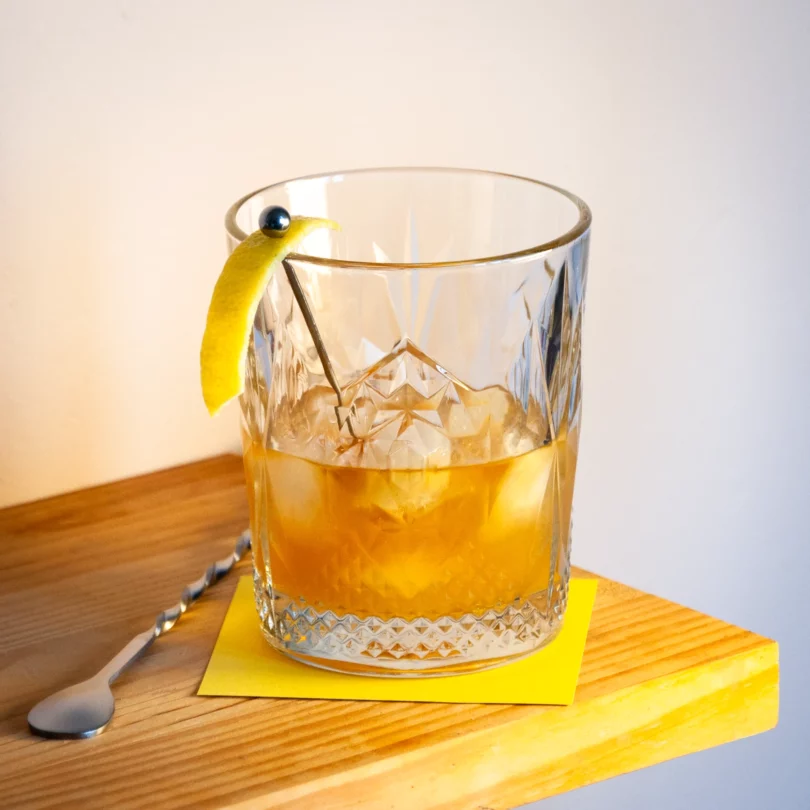
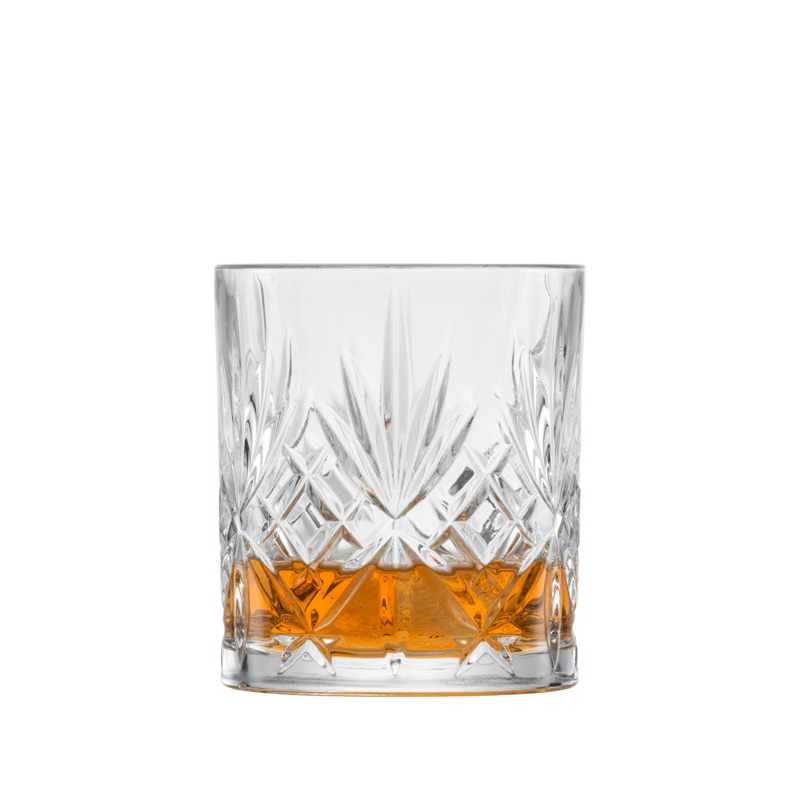
The Perfect glass for Sazerac
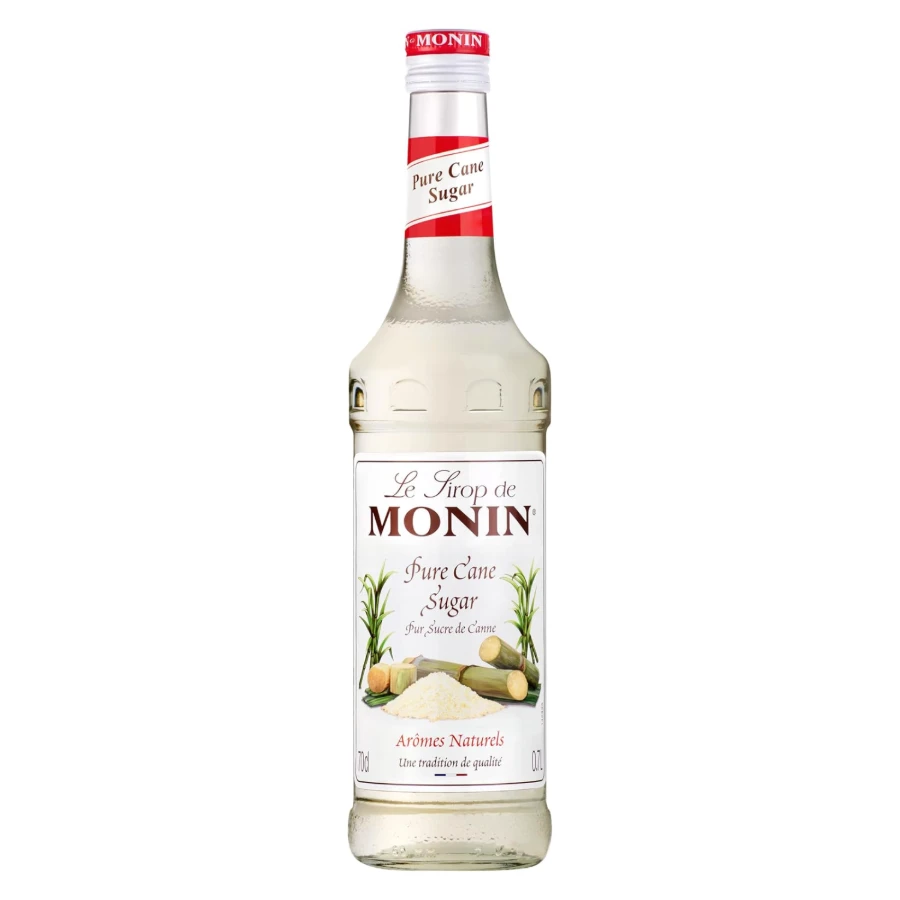
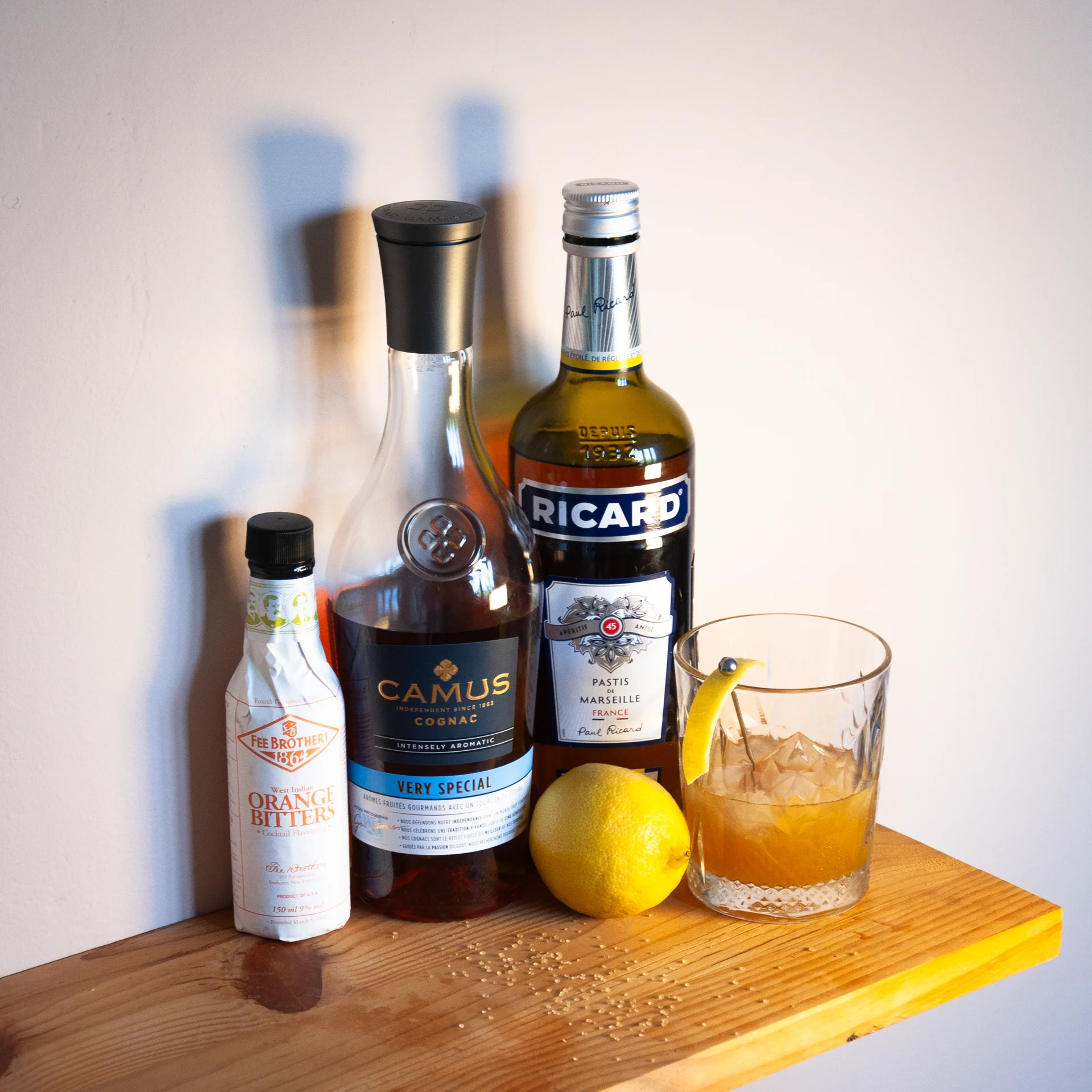
Sazerac ingredients
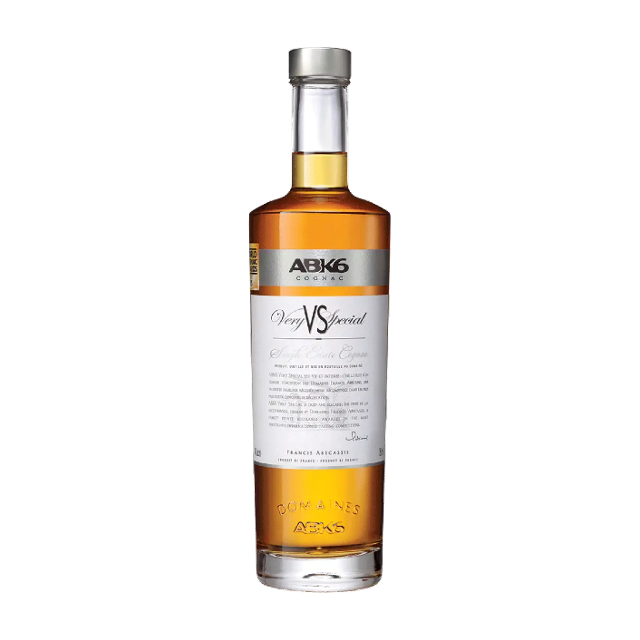
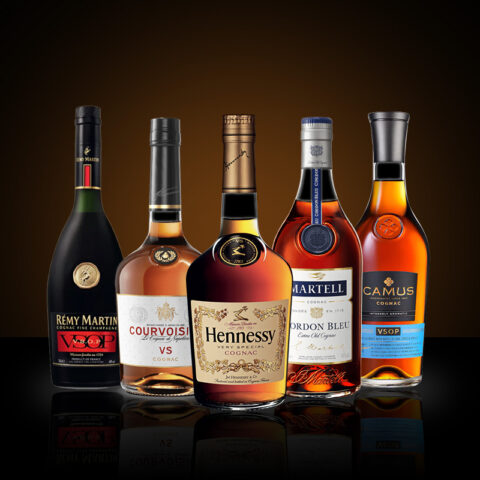
(VS or VSOP)
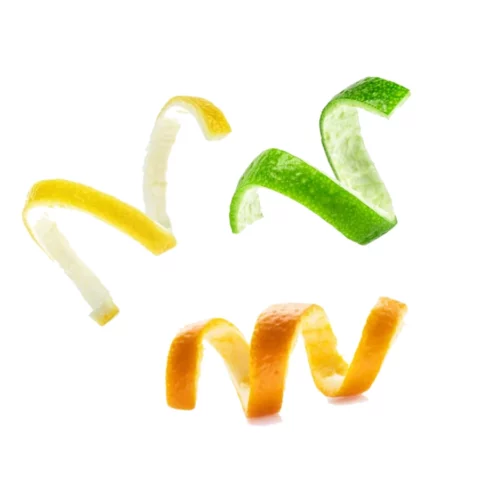
Sazerac garnish
The Sazerac recipe
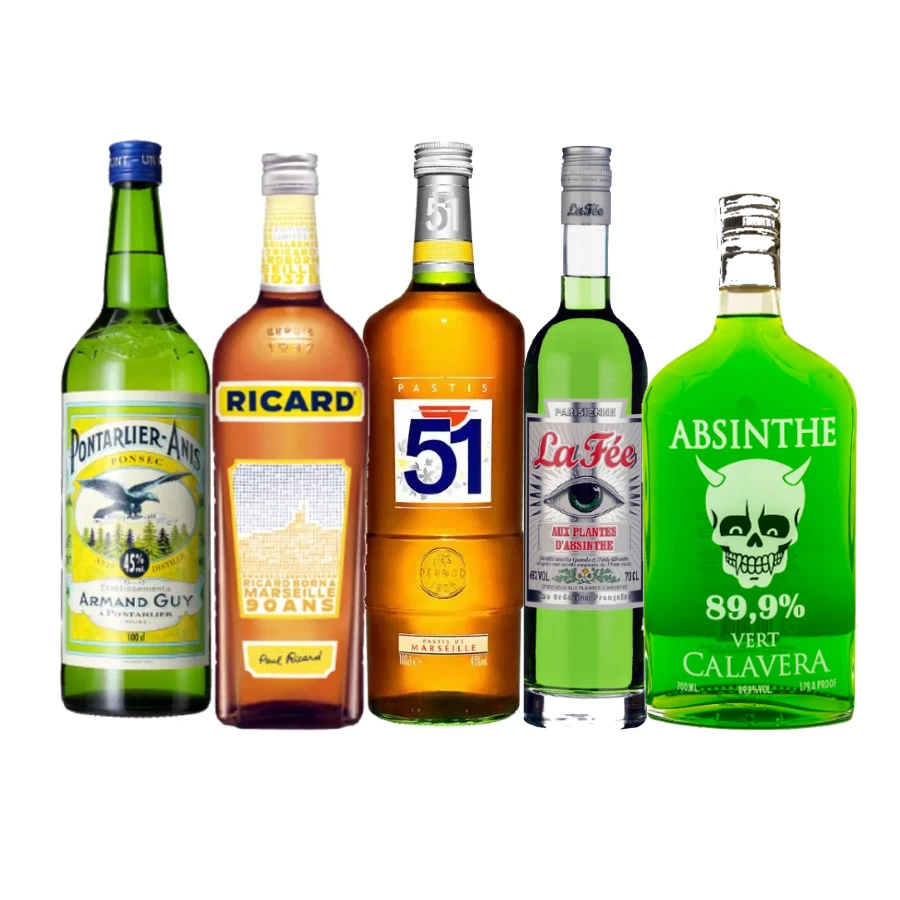
- Add absinthe or pastis (we love Ricard for sure!) and twist so the liquid can stick to the glass
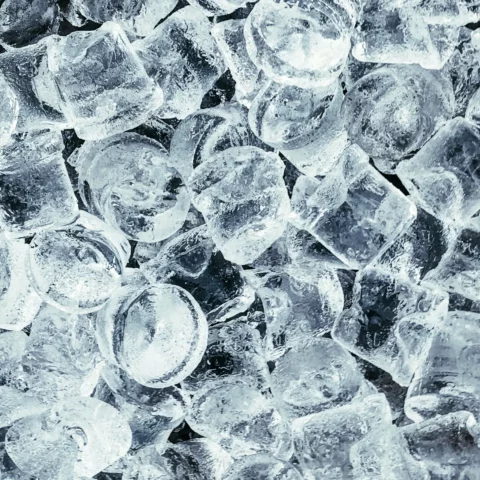
- Add a three-quarter garnish of big ice cubes and twist to refresh the glass
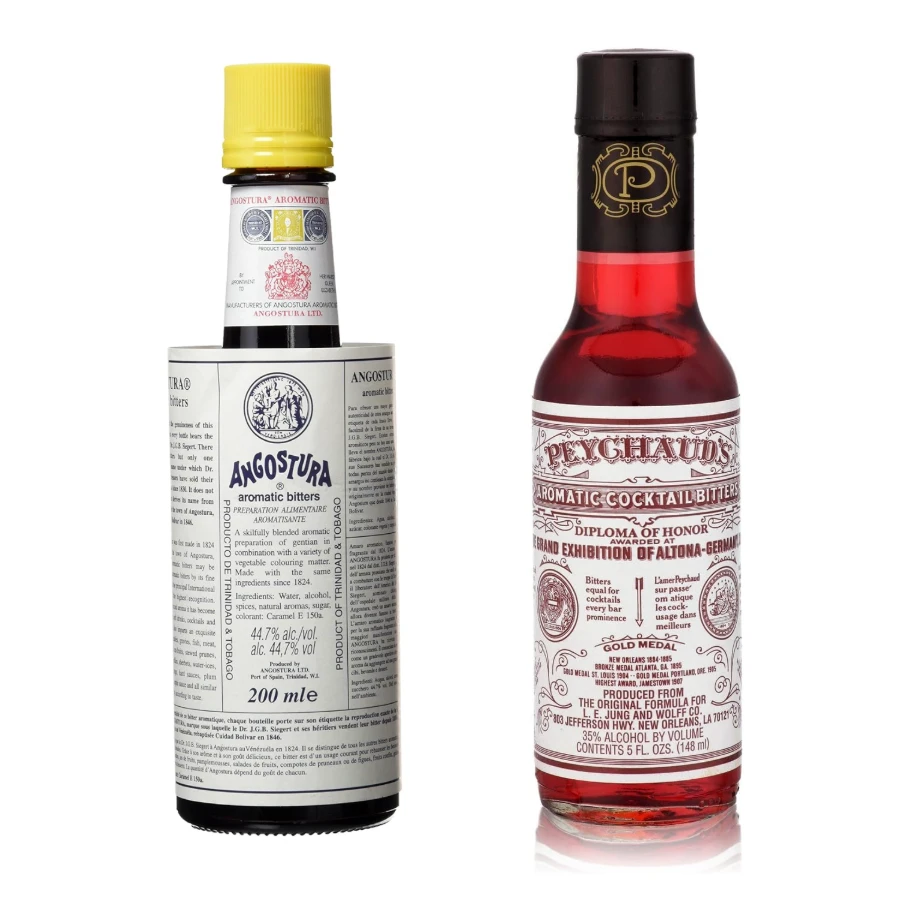
- Add bitter drops
- Add a little spoon of cane sugar syrup or superfine sugar rime
- Add the VS cognac and blend the cocktail
- Garnish with a lemon/orange twist.
- Enjoy!
Funny facts
The parent of the Sidecar is the Brandy Crusta, a cocktail that has its roots in New Orleans.
The perfect song
Expert tips for the perfect Sazerac
Master the absinthe rinse technique: Pour 1/4 oz absinthe into your chilled rocks glass, swirl to coat the entire interior, then discard the excess (or drink it as a shot if you’re feeling bold). This creates an aromatic coating without making the drink taste like licorice. Don’t skip this step—it’s what makes a Sazerac a Sazerac rather than just an Old Fashioned variant.
Chill your serving glass properly: Place your rocks glass in the freezer for at least 15 minutes before serving, or fill it with ice water while you prepare the cocktail. The colder the glass, the longer your Sazerac maintains optimal temperature without dilution from ice.
Stir with intention: Stir your cognac, sugar, and bitters with ice for 30-40 seconds minimum—longer than you think necessary. The Sazerac requires proper dilution (about 0.75 oz water) and temperature (below 35°F) to taste balanced. Under-stirring creates harsh alcohol burn; over-stirring makes it watery.
Use a large, clear ice cube for stirring: Large, dense ice cubes dilute slowly during stirring, giving you control over the dilution. Small ice cubes melt too quickly, leading to unpredictable results. If possible, use directional freezing to create crystal-clear ice that looks professional.
Express your citrus oils adequately: Hold the peel over the glass, colored side down, and firmly twist to release essential oils. You should see a fine mist spray across the drink’s surface. Rub the peel around the rim of the glass, then either discard it or drop it in—both are acceptable. Don’t skip this—the citrus oils provide an aromatic dimension that completes the experience.
Choose your sugar wisely: Demerara or raw sugar syrup (2:1 ratio) adds subtle molasses notes that complement cognac beautifully. If using a sugar cube, use Demerara cubes and muddle thoroughly with bitters before adding cognac—undissolved sugar creates inconsistent sweetness.
Let it breathe: After straining into your prepared glass, wait 30 seconds before drinking. This brief rest allows aromatics to develop and temperature to equalize. The first sip should reveal herbal absinthe notes, the second brings forward bitters and citrus, and the third showcases the cognac.
The great Sazerac debate: Cognac vs Rye Whiskey
The Sazerac’s spirit base has sparked friendly debates among cocktail historians and bartenders for over a century. Understanding this controversy reveals fascinating insights into New Orleans cocktail culture and American spirits history.
The Original: cognac (1838-1870s)
Historical evidence strongly suggests the original Sazerac was made with cognac—specifically Sazerac de Forge et Fils, a French brandy that gave the cocktail its name. Antoine Amédée Peychaud created his signature drink using cognac imported by New Orleans bars through the city’s thriving French trade connections. The cocktail was named after the Sazerac Coffee House, which prominently featured this particular cognac.
During this era, cognac was more readily available in New Orleans than American whiskey, thanks to the city’s strong French cultural ties and its access to the Mississippi River. The smooth, fruit-forward character of VS cognac paired beautifully with Peychaud’s aromatic bitters, creating a refined cocktail that matched the city’s sophisticated tastes.
The Shift: why Rye Whiskey took over
The phylloxera epidemic of the 1870s-1890s devastated European vineyards, making cognac scarce and expensive. American rye whiskey became the practical substitute—and some argue an improvement. Rye’s bold, spicy character created a more assertive cocktail that appealed to changing American palates, moving away from European sophistication toward distinctly American flavors.
By the early 1900s, rye had become so common that many forgot cognac had ever been used. When the Sazerac Company trademarked the cocktail in 1900, both versions were recognized, though rye dominated 20th-century recipes.
Modern interpretation: choose your side
Today’s craft cocktail renaissance has revived the cognac Sazerac, with bartenders and cognac enthusiasts rediscovering the original’s elegance. The choice creates two distinct experiences:
With cognac: Smoother, more refined, with fruit and vanilla notes. The cognac’s gentleness allows Peychaud’s floral-anise character to shine. This version feels more European, more elegant—perfect for contemplative sipping.
With rye whiskey: Bolder, spicier, more assertive. The rye’s peppery bite stands up to the absinthe rinse, creating a more robust cocktail. This version feels more American, more powerful—suited for those who prefer intense flavors.
My recommendation: Try both. The cognac Sazerac honors history and offers sophistication that rye can’t match. Use Hennessy VS or Pierre Ferrand 1840 for authentic results. [Internal link: Best Cognacs for Classic Cocktails]
What makes the Sazerac special
The Sazerac stands apart from other classic cocktails through several distinctive characteristics that make it instantly recognizable to anyone who’s tasted a proper version.
The absinthe rinse is pure genius—it’s not an ingredient you drink, but an aromatic coating that perfumes every sip without overwhelming the cocktail. This technique, unusual in classic cocktails, adds herbal, anise complexity that modern versions can’t achieve with simple additions. Using real absinthe (now legal again) versus pastis creates notably different results—absinthe provides more complex herbal notes and wormwood bitterness.
Peychaud’s Bitters aren’t optional—they’re essential. Created by the cocktail’s inventor, these aromatic bitters taste distinctly different from Angostura, with cherry-anise notes and bright red color. Many recipes call for both bitters, but purists use only Peychaud’s to maintain historical authenticity. The bitters’ floral-spice character defines what a Sazerac tastes like versus other spirit-and-bitters cocktails.
Serving without ice in a chilled rocks glass is traditional and intentional. Unlike Old Fashioneds served over a large cube, Sazeracs are stirred with ice then strained into a cold glass—this creates a spirit-forward experience where flavors evolve as the drink slowly warms. The absence of dilution allows you to taste the cognac’s complexity and the bitters’ nuance throughout the entire drink.
The citrus garnish provides more than visual appeal. Expressing lemon or orange oils over the drink adds volatile aromatics that complement the absinthe rinse. The choice between lemon (brighter, more acidic) and orange (sweeter, more complex) creates subtle but meaningful differences in the overall experience.
Frequently Asked Questions
Both are spirit-forward cocktails with sugar and bitters, but they’re distinct drinks. The Old Fashioned uses bourbon or rye with Angostura bitters, served over a large ice cube with orange peel. The Sazerac traditionally uses cognac (or rye) with Peychaud’s bitters, features an absinthe rinse, is served without ice in a chilled glass, and uses lemon peel. The Sazerac is more complex and herbaceous, while the Old Fashioned is straightforward and whiskey-focused.
No! The original Sazerac (1838-1870s) was made with cognac from Sazerac de Forge et Fils. Rye whiskey became standard after the phylloxera epidemic made cognac scarce and expensive. Today, both versions are considered authentic, cognac honors the original recipe, while rye represents the American evolution. Serious cocktail bars offer both options.
While technically possible, the absinthe rinse is essential to authentic Sazerac character. If absinthe is unavailable, use Herbsaint (New Orleans traditional substitute) or pastis (like Ricard or Pernod). Simply omitting it creates a different cocktail, closer to an Old Fashioned than a true Sazerac. The herbal, anise notes from the rinse define what makes this drink unique.
The Sazerac is stirred with ice for proper dilution and temperature, then strained into a chilled rocks glass and served “up” (without ice). This presentation allows you to taste the cocktail’s evolution as it gradually warms from 35°F to 50°F, revealing different flavor layers. It also creates a more elegant, refined drinking experience suited to the cocktail’s sophistication.
Peychaud’s Bitters were created by Antoine Peychaud, the Sazerac’s inventor, making them historically essential. They taste distinctly different from Angostura, lighter, with cherry-anise notes and bright red color versus Angostura’s darker, spicier profile. While you could substitute Angostura in a pinch, it creates a completely different cocktail. Peychaud’s are widely available at liquor stores and online, buy a bottle for authentic results.