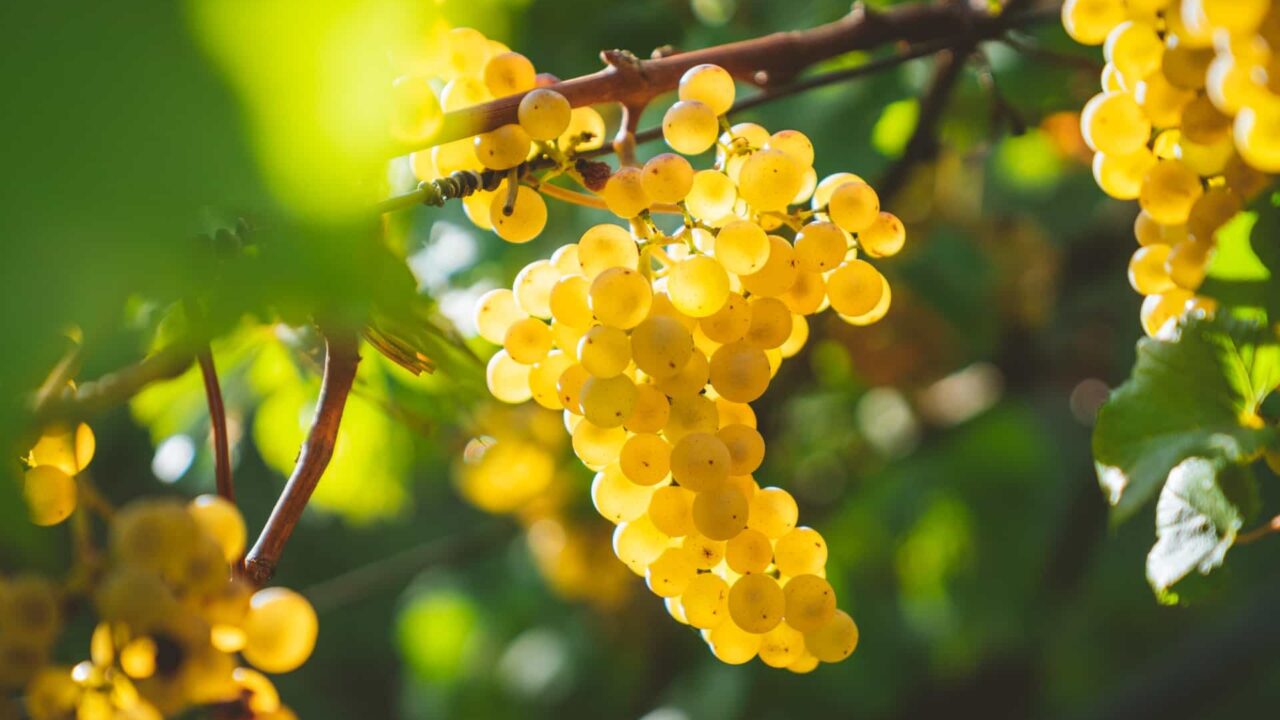
Cognac history and origin span over 2,000 years, transforming from Roman-planted vineyards in southwestern France’s Charente region (circa 100 AD) to the world’s most prestigious brandy. The Romans introduced viticulture, but cognac’s defining moment came in the early 1620s when Dutch traders (seeking to preserve wine for long sea voyages) introduced distillation techniques to Charente winemakers. This “burnt wine” (brandewijn in Dutch) evolved into double-distilled “eau-de-vie,” and by the mid-1600s, the spirit adopted the name “cognac” after its regional birthplace.
The path to global prestige faced monumental challenges: the 1870s phylloxera aphid destroyed 90% of Charente’s vineyards, forcing replanting with grafted American rootstock. Yet cognac not only recovered but thrived, earning AOC (Appellation d’Origine Contrôlée) legal protection in 1909 to safeguard quality and geographic authenticity. Napoleon Bonaparte’s endorsement in the early 1800s had already elevated cognac to aristocratic status, while 20th-century export booms to the USA, Asia, and beyond solidified its reach.
This complete timeline explores cognac’s evolution from Roman foundations, through Medieval trade routes, Dutch distillation innovation, phylloxera survival, World Wars, and modern dominance as a €3+ billion industry producing 200+ million bottles annually.
The cognac beginnings
The Cognac region during Roman centuries
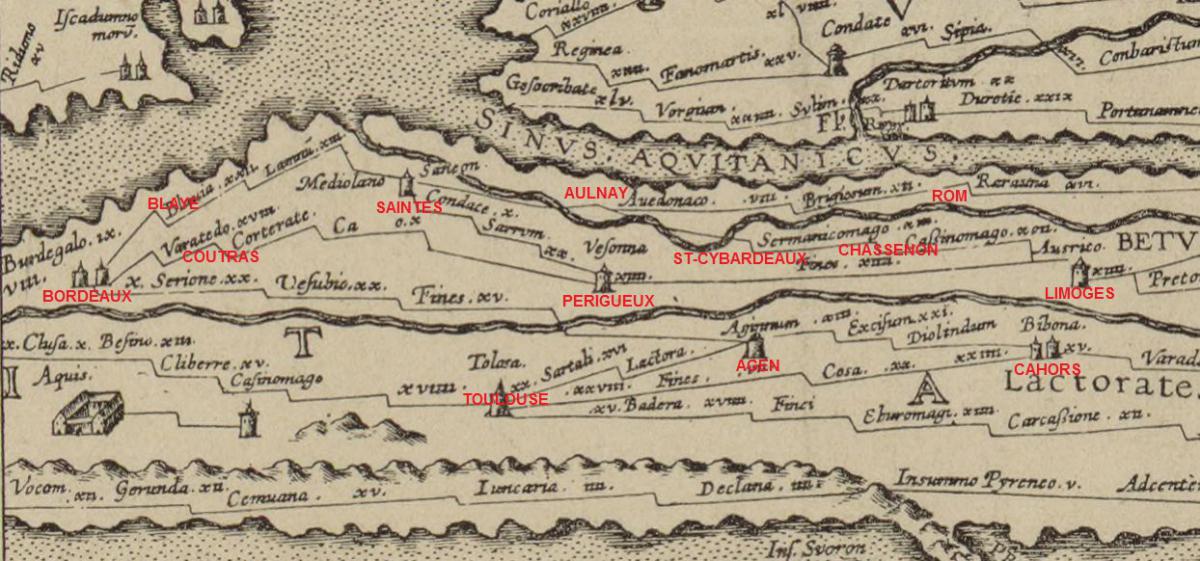
Once upon a time was the cognac… It all began with the French region during Caesar’s reign: they invaded Gaul territory, especially the “Aulnis”, the “Saintonge” and the “Angoumois” old provinces, and Saintes became a gallo-roman capital.
This cognac region was well known for the richness of its soil and means of communication, a crossroads for commerce (via Agrippa: Saintes Lugdunum).
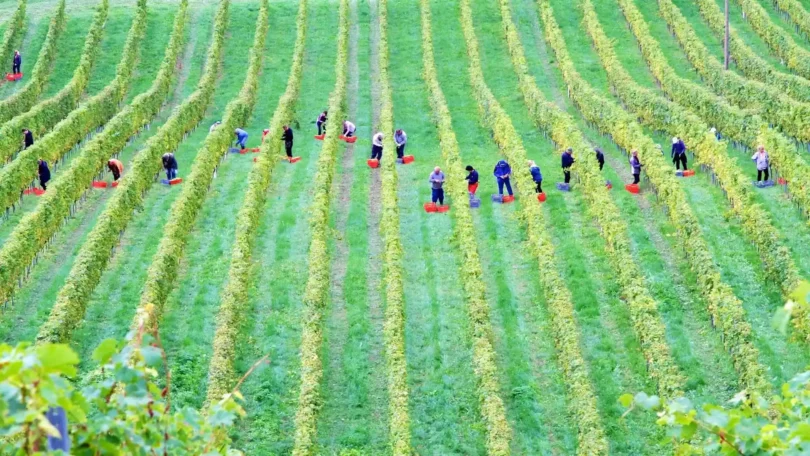
First, it was just a production area: wheat, sea salt, and of course wines! Wines develop the region and make it prosperous!
The Cognac region during the XII-XV centuries
Then came boats from Northern Europe to La Rochelle, Saintes, or Saint-Jean-d’Angély, especially Norwegians, Belgians, and Englishs tradespeople. They came for goods like salt for fish salting but also wine which was a famous beverage for Vikings and London’s taverns.
Then came the war times, especially “The hundred years war” (1337-1453), totally devastating the region and causing a massive migration of people and craftsmen.
From wine to “eau-de-vie”
Transporting Charentais wine by boat was a real problem; the wine kept very badly.
Charentes people had the idea to distill wine: the cognac was born!
First, the cognac was a single distillation that preserves the product during transport; the conservation problem was solved.
Another advantage: the product volume was reduced, and taxes were lower.
During the XVII-XVIII century, cognac production was massive; and cognac producers with a surplus began to keep the “eau-de-vie” in oak barrels. They discover the benefits of such an operation: incredible colors, more perfumes, more aromas… Cognac becomes a treasure!
Funny facts
The term “eau-de-vie” came from the latin “aqua vitae”, one of the favorite Romans beverages.
Since then, the distillation of “eaux-de-vie” became widespread all across the Cognac region, and La Rochelle became the port of spirits served worldwide: Europe, the Caribbean, the Americas…
Cognac became the most famous liquor: fine, pleasant, simply the best in the world!
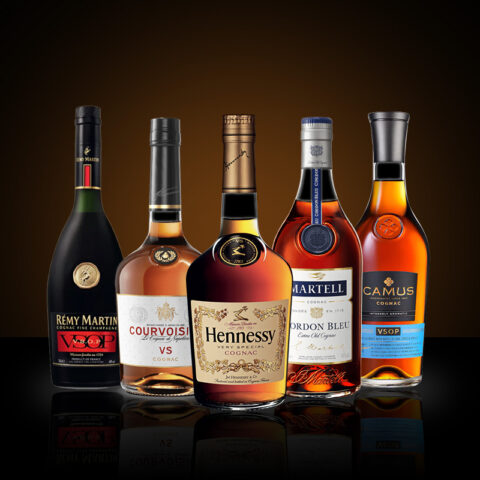
Big trading companies gradually specializing in the production and sale of cognac were also born during this period :
- Martell was created by Jean Martell (1694-1753),
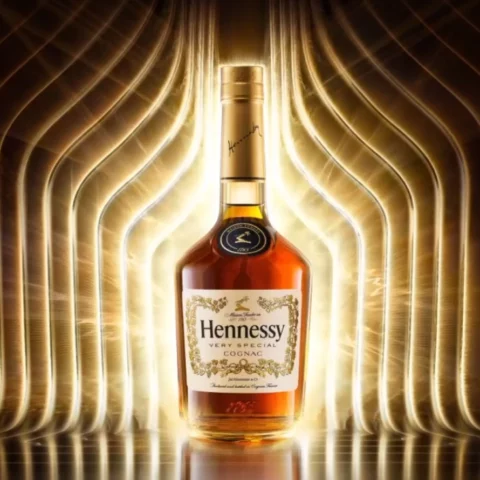
- Hennessy by Richard Hennessy (1724-1800),
- Delamain et Cie by James Delamain (1738-1800),
- Hine (1763) by Thomas Hine.
Phylloxéra crisis and World Wars
During the XIX century, the phylloxéra bugs, born in the US, came to Europe by cargo ships creating a massive crisis in the wine sector.
Phylloxera infestation of a vine stock leads to its death in three years. The whole wine production was decimated.
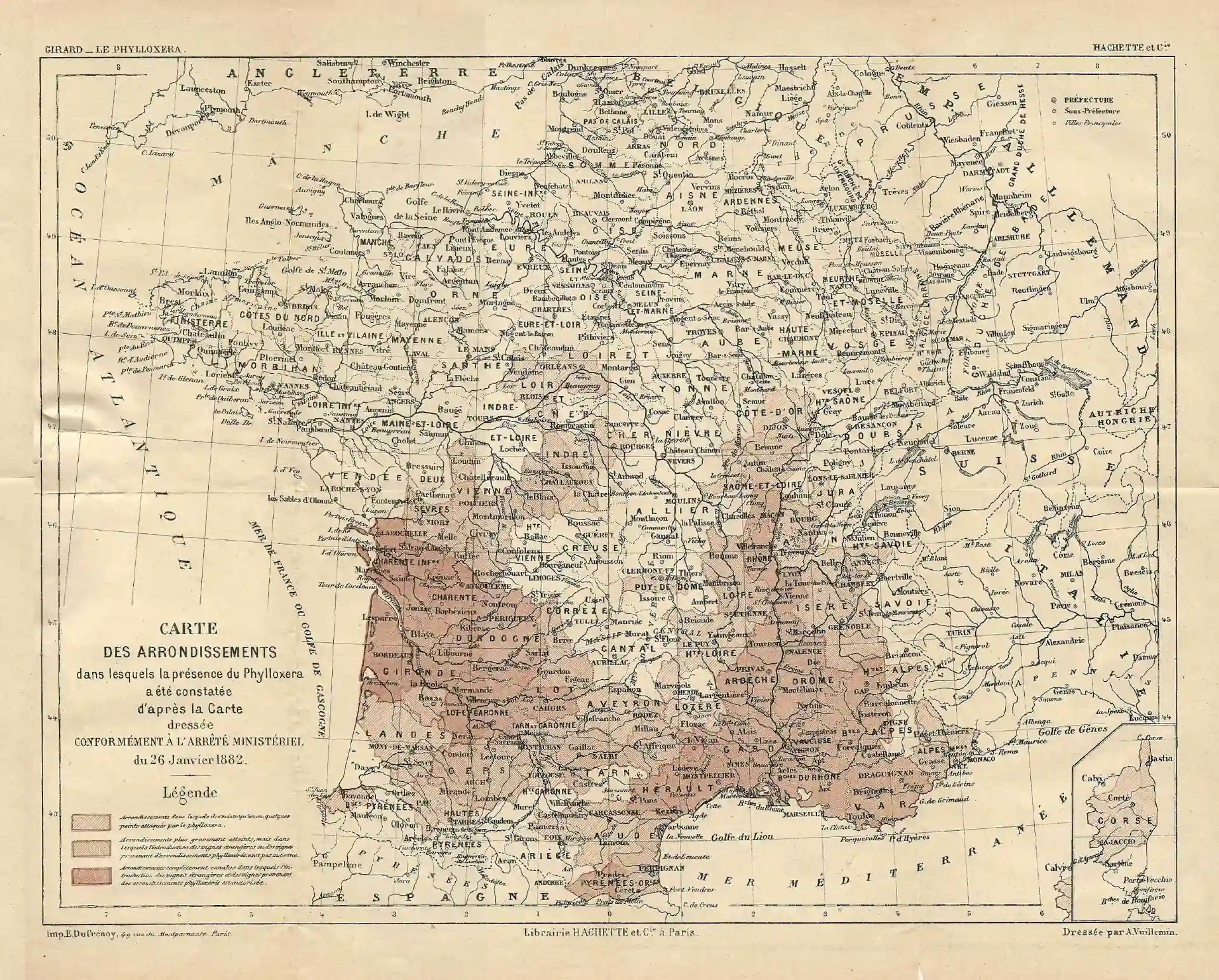
Only one-sixth of the wine-growing area had been replanted when the First World War started. Hopefully, lots of cognac stocks were already in the cellars.
Cognac producers also faced the 1929 stock market crisis.
Then came World War II, and France and the Charentes were occupied by Nazi Germany. During this period, a special occupation authority tried to preserve the production system.
At the liberation, the US boys adopted cognac to make it an emblem of freedom and the sweetness of life and bring back the famous cognac drink in their communities.
The BNIC was created in 1946 and is still a coordination and decision-making body for the Cognac industry.
Cognac to the moon 🚀
Then came the cognac golden age. Between 1947 and 1972, the worldwide sales figure was multiplied by 5. New vineyards were planted to meet global demand, and techniques and winemaking were improved and modernized.
Cognac has always been an important exported product (90% to 98% of the production). During the eighties and nineties, the United Kingdom was the biggest market.
Then came a switch in the cognac market. The USA became the cognac far-west and the place to drink cognac. Show Business people and black communities adopt the famous cognac beverage to make it an emblem of luxury, wealth, and success. It’s also a kind of distinction with the whiskey-drinking white elite.
Nowadays, the rocket cognac is launched to the moon: USA, China, and Singapore are trusting the market podium, and more than 223 million cognac bottles are sold worldwide for 3,6 billion euros in sales figures.
Funny facts
Statistically, a cognac bottle is sell every 7 seconds.
The cognac History continues…
Today, cognac still has a wonderful history: 4,276 winegrowers, 117 professional distillers, and 283 cognac merchants. There are so many stories of talented and passionate people making and developing the famous drink.
Don’t forget the tourism part (hôtels, restaurants, museums…), discover cognac region! Such great places to visit and stay with cities like Cognac, Jarnac, Jonzac, Angoulême…