The Mata Hari cocktail is one of cocktail history’s most intriguing creations—a sophisticated blend of cognac and vermouth wrapped in mystery and glamour. Named after Margaretha Geertruida Zelle, better known as Mata Hari, the exotic dancer turned double agent executed in 1917, this drink captures the allure and danger of its namesake in every sip.
Created during the Prohibition era of the 1920s, the Mata Hari quickly gained popularity in the high-end speakeasies of Paris and New York City, where jazz played late into the night and secrets were traded over elegant glassware. This wasn’t just another gin joint special—it was the drink of sophistication, served to those who appreciated both fine spirits and compelling stories.
What makes this cognac vermouth cocktail exceptional is its masterful balance of contrasting elements. The rich, smooth character of VS or VSOP cognac meets the herbal complexity of sweet vermouth, while pomegranate syrup adds jewel-toned sweetness and fresh lemon juice provides bright acidity. A touch of simple syrup rounds out the edges, creating a drink that’s simultaneously elegant and mysterious—much like the spy who inspired it.
Unlike spirit-forward stirred cocktails, the Mata Hari is shaken vigorously, creating a silky texture and slight dilution that allows complex flavors to dance together in perfect harmony.
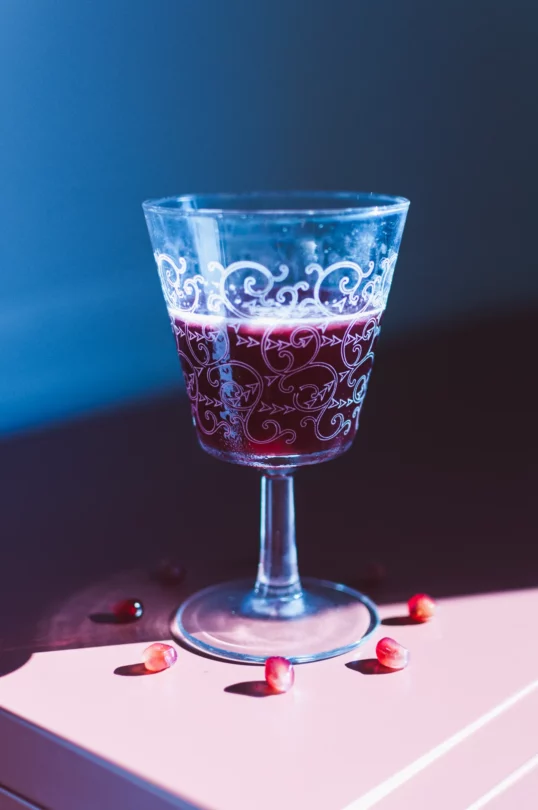
The origins of the Mata Hari Cocktail are unclear, but it is believed to have been created in the 1920s, around the time of the spy’s execution. The cognac cocktail quickly became popular in Paris and New York City, and was often served at high-end speakeasies and jazz clubs.
A sophisticated and elegant cocktail to enjoy: try the Mata Hari cocktail and enjoy a glimpse into a bygone era of glamour and mystery.
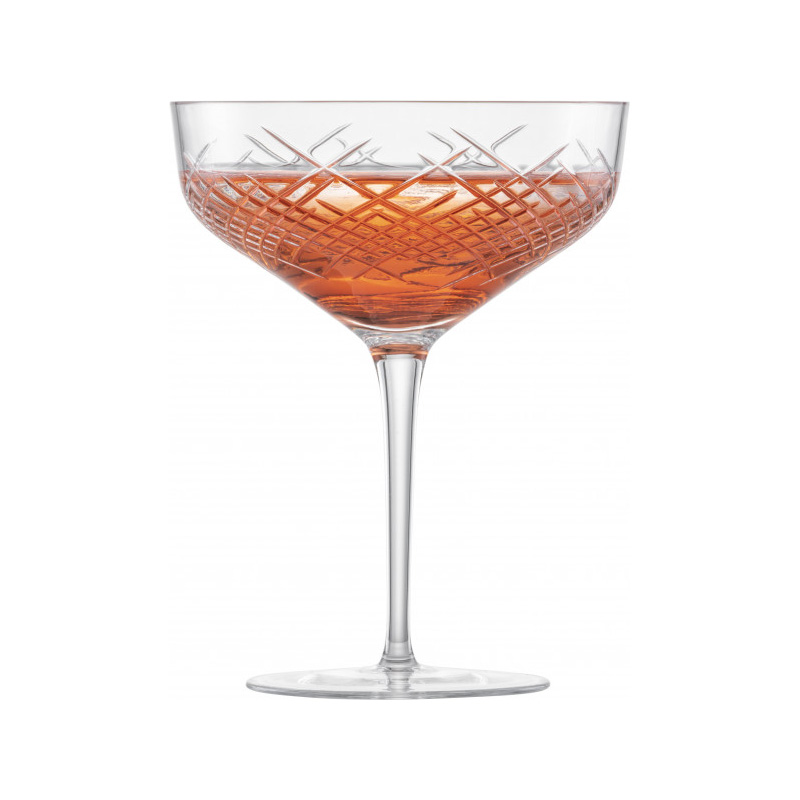
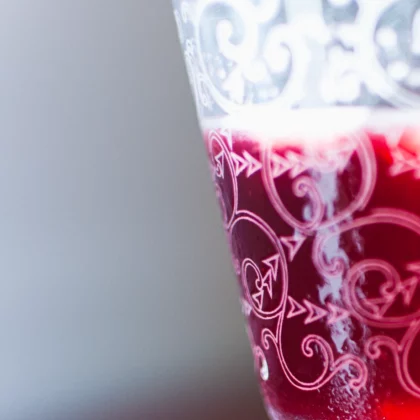
The Perfect glass for Mata Hari cocktail
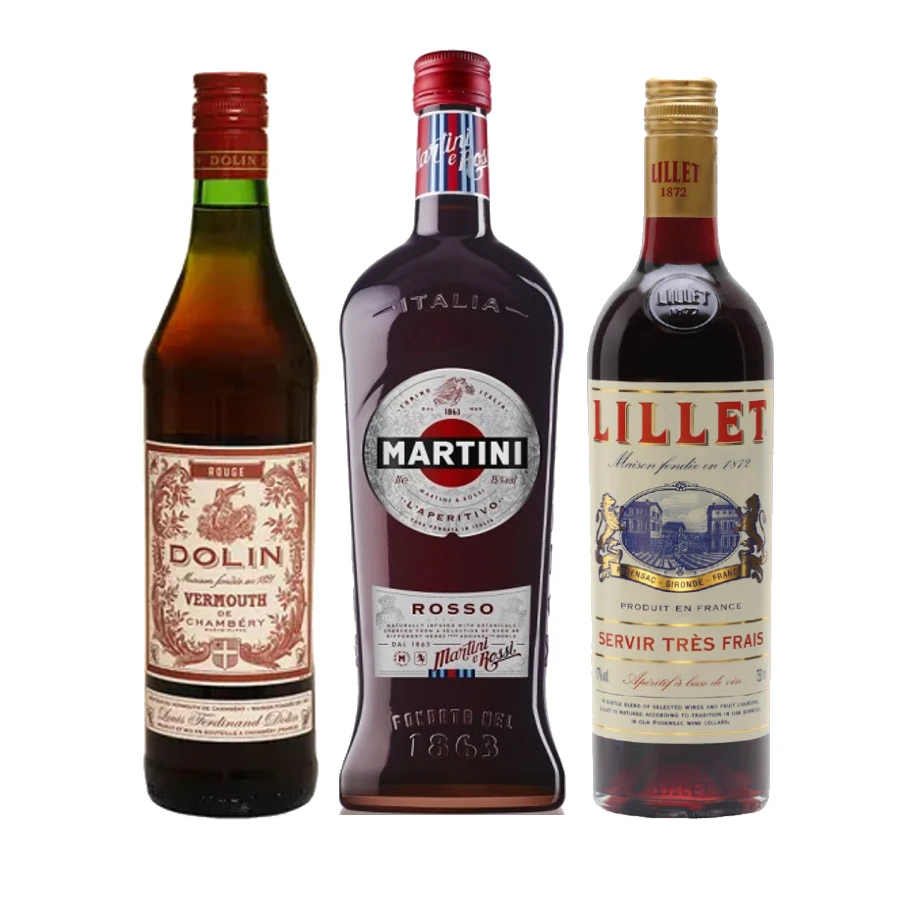
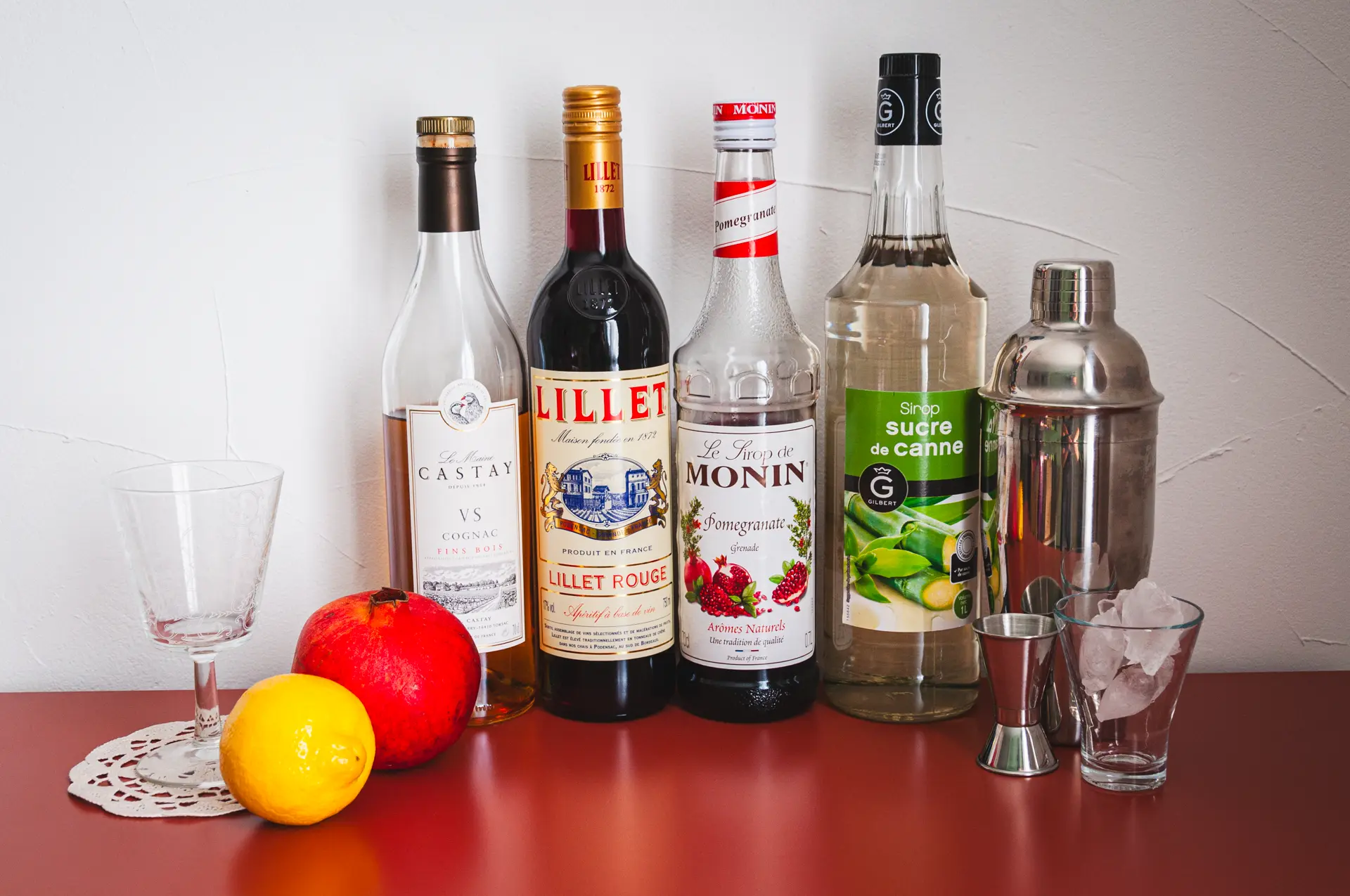
Mata Hari ingredients
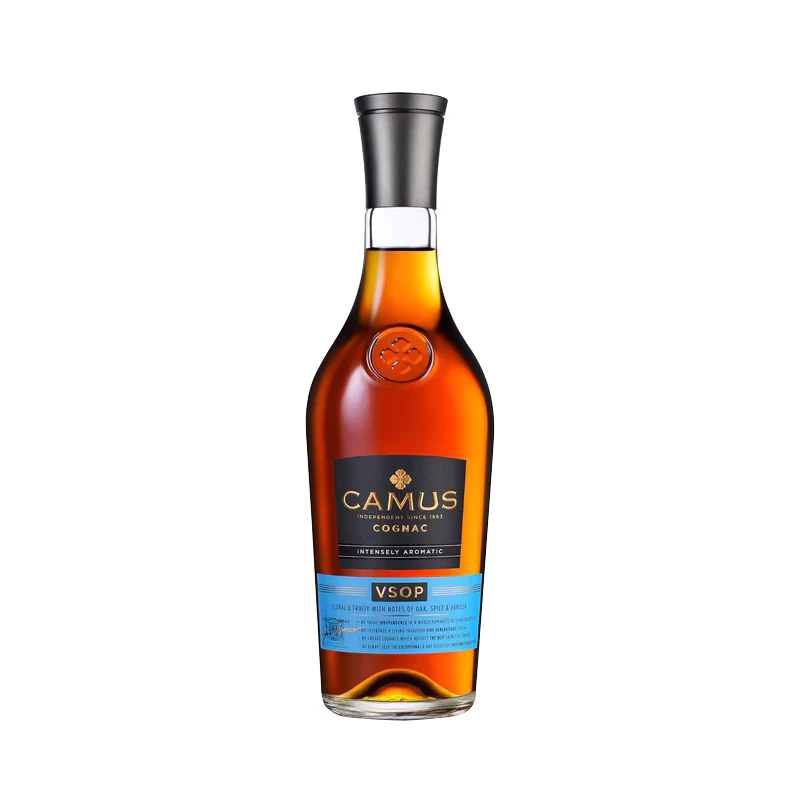
(VS or VSOP)
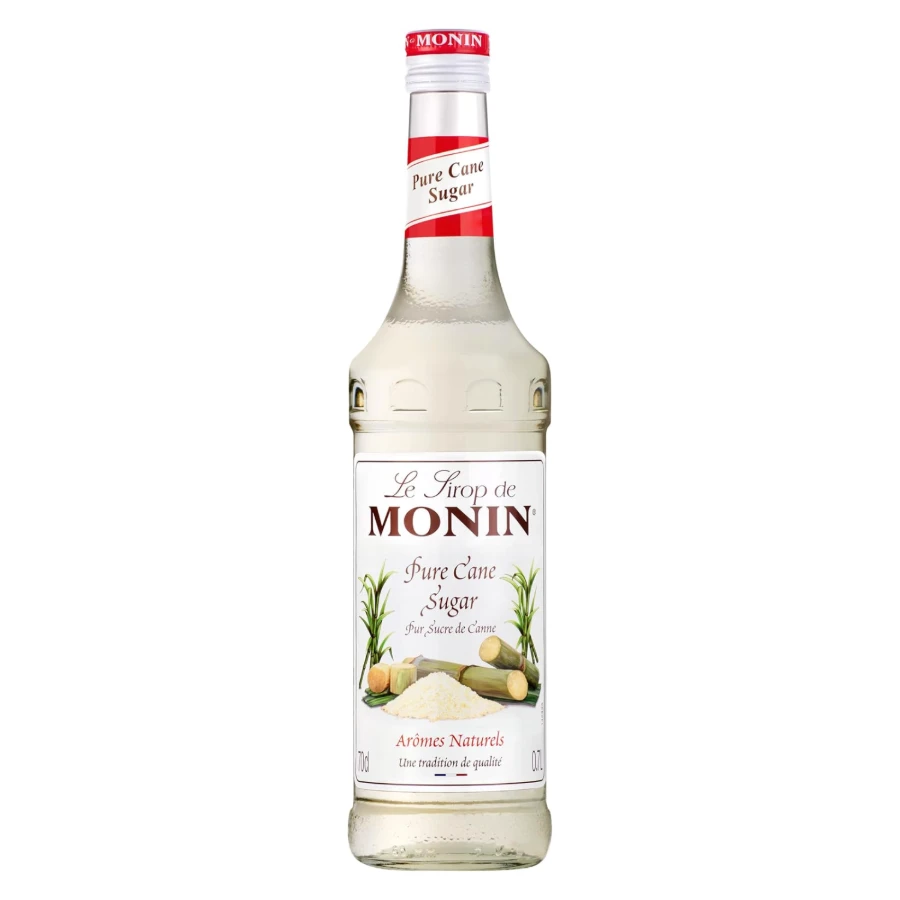
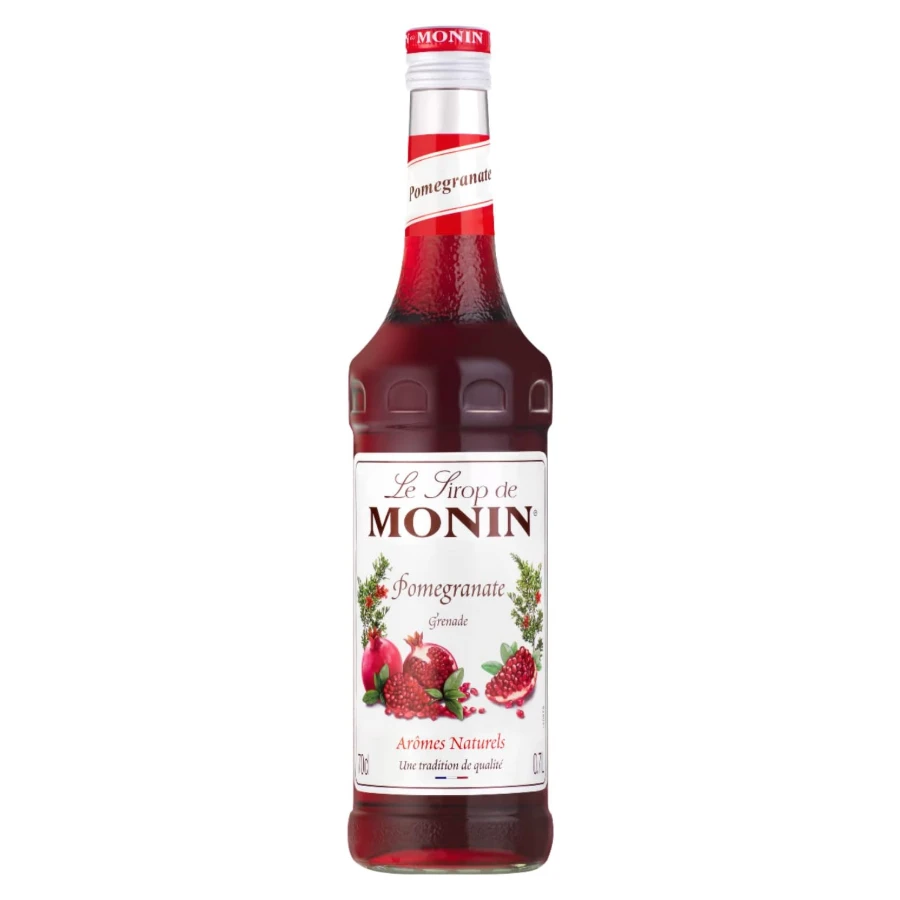

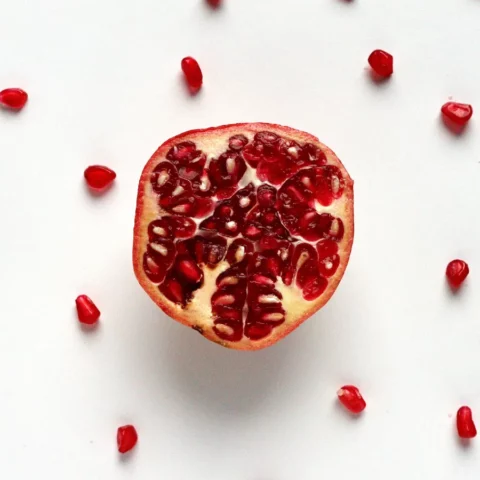
Mata Hari garnish
The Mata Hari recipe
- Mix all the cocktail ingredients in a shaker with ice cubes.
- Shake until full refresh.
- Filter and serve in the best cognac glass: the cocktail coup glass.
- Relax! Have a good time!
This intriguing cocktail has become a sensation. Picture this in your glass: cognac, sweet vermouth, lemon juice, pomegranate syrup, and a simple syrup. Each ingredient plays a harmonious tune on your taste buds. It’s a floral symphony, an herbal ballet, and a tart overture—all rolled into one.
But what sets this cocktail apart? It’s the vermouth. This infusion takes your taste buds on a unique journey, a flavor expedition. Combined with cognac and lime, the Mata Hari will surely boost your taste!
Funny facts
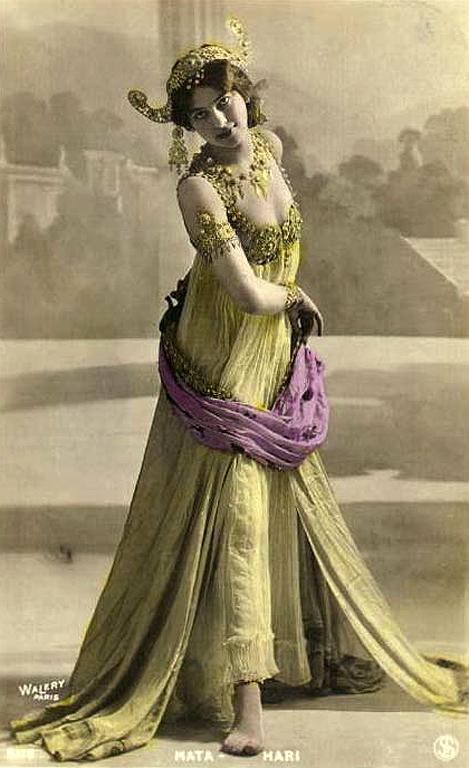
Mata Hari, the spy and dancer, was actually born in the Netherlands, and not in French Indochina (Vietnam) as she claimed.
In reality her real name was Margaretha Geertruida Zelle and she used her exotic background as a marketing tool during her career as a dancer, and then as a spy.
The perfect song
Expert Tips for the Perfect Mata Hari
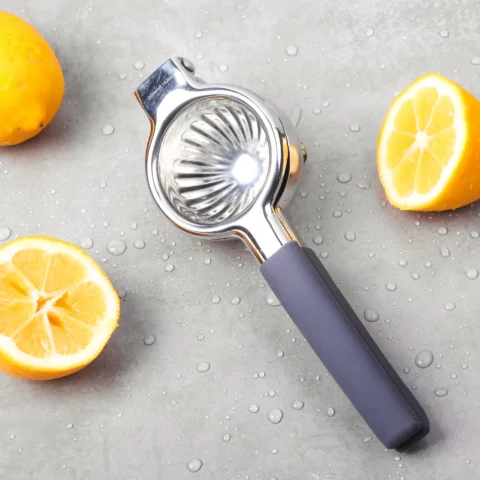
Fresh lemon juice is non-negotiable: Bottled lemon juice contains preservatives that create off-flavors. Always squeeze fresh lemons—it takes 30 seconds and dramatically improves the cocktail. One lemon yields about 1 oz of juice, so buy 2-3 for a cocktail session.
Shake hard and long: This cocktail needs aggressive shaking—at least 15-20 seconds of vigorous motion. The shaking accomplishes three things: proper dilution, chilling to below 40°F, and creating that signature silky texture. Your shaker should feel ice-cold to the touch when ready.
Use quality pomegranate syrup: Monin and Torani make excellent pomegranate syrups widely available at liquor stores. Avoid “grenadine,” which is typically an artificial cherry-pomegranate blend—you want pure pomegranate for authentic flavor. In a pinch, you can make your own by simmering pomegranate juice with equal parts sugar until the sugar dissolves.
Strain properly: Use a fine mesh strainer (Hawthorne strainer plus fine mesh) to double-strain the cocktail. This removes ice shards and pulp, creating a smooth, refined texture in your glass. The extra 5 seconds of effort show in the final presentation.
Chill your coupe glass: Place your coupe in the freezer for 10-15 minutes before serving, or fill it with ice water while you prepare the cocktail. A cold glass maintains proper serving temperature longer and prevents the cocktail from warming too quickly.
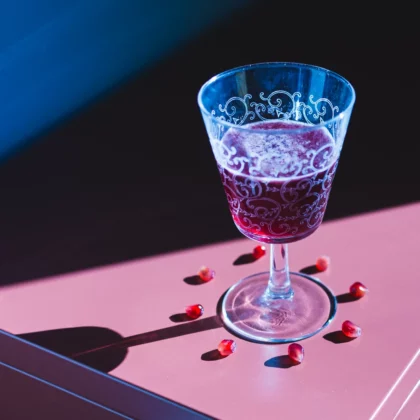
Don’t skip the garnish: Fresh pomegranate seeds (arils) add visual drama and provide tiny bursts of tart flavor that complement the drink’s sweetness. To easily extract seeds, cut the pomegranate in half, hold it cut-side-down over a bowl, and tap the back firmly with a wooden spoon.
Adjust sweetness to taste: The original recipe uses both simple syrup and pomegranate syrup, but modern palates often prefer less sweetness. Start with 1 teaspoon of simple syrup and taste—you can always add more, but you can’t remove it once shaken.
What Makes the Mata Hari Cocktail Special
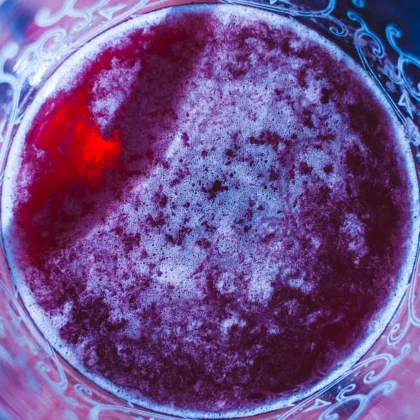
The Mata Hari stands apart from typical cognac cocktails in several distinctive ways. While most classic cognac drinks are stirred (like the Sidecar) or built directly in the glass (like Cognac and Ginger Ale), the Mata Hari is shaken vigorously with ice, creating a unique silky texture and slight cloudiness that adds visual intrigue.
Flavor complexity is this cocktail’s calling card. The cognac provides a smooth, fruity foundation with vanilla and oak notes. Sweet vermouth contributes botanical depth—think herbs, spices, and aromatic complexity that changes depending on your vermouth choice. Pomegranate syrup adds jewel-toned sweetness with subtle tartness, while fresh lemon juice brings bright acidity that prevents the drink from becoming cloying.
The interplay between these ingredients creates what bartenders call a “balanced complex”—no single flavor dominates, yet each component remains distinct. On the first sip, you might notice the pomegranate’s fruitiness; the second sip reveals cognac’s warmth; the third brings forward vermouth’s herbaceous notes. This evolving flavor profile keeps the drink interesting from first taste to last drop.
Visual appeal shouldn’t be underestimated either. Served in a classic coupe glass and garnished with jewel-like pomegranate seeds, the Mata Hari looks as elegant and mysterious as its namesake—a drink that photographs beautifully and impresses guests before they even taste it.
Frequently Asked Questions
Mata Hari was the stage name of Margaretha Geertruida Zelle (1876-1917), a Dutch exotic dancer who became one of World War I’s most famous alleged spies. She was executed by French firing squad in 1917 for allegedly spying for Germany, though historians continue to debate whether she was actually guilty or a scapegoat during wartime paranoia.
The cocktail emerged during the 1920s Prohibition era, shortly after Mata Hari’s execution in 1917. The exact creator is unknown, but it became popular in high-end speakeasies in Paris and New York City during the Roaring Twenties.
While pomegranate syrup is traditional and provides the drink’s signature color and flavor, you could substitute raspberry or cherry liqueur in a pinch. However, this significantly changes the cocktail’s character. If pomegranate syrup isn’t available, consider trying a different cognac cocktail rather than compromising this recipe.
Both are classic cognac cocktails, but they’re quite different. The Sidecar combines cognac, Cointreau, and lemon juice, it’s stirred and served in a sugar-rimmed glass. The Mata Hari uses vermouth and pomegranate syrup instead of Cointreau, is shaken rather than stirred, and has a completely different flavor profile, more complex and less citrus-forward.
Moderately strong. With 1.5 oz cognac and 1 oz vermouth, it contains about 2.5 oz of alcohol diluted by shaking and balanced by fruit and citrus. The ABV is approximately 20-25%, less than a Martini but stronger than a Mojito. It’s meant for slow, contemplative sipping.
Yes, with modifications. Pre-batch the cognac, vermouth, syrups, and lemon juice in proportions for your guest count, but don’t add ice until serving. Shake individual servings with ice just before serving to maintain proper texture and temperature. Pre-batching everything including dilution results in a watery cocktail.